How Do I Measure My Space to Ensure the Furniture Fits?
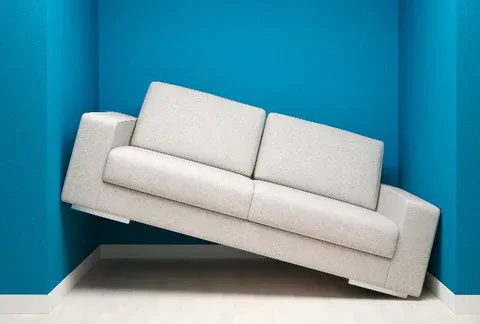
One of the most common (and costly) mistakes people make when buying furniture is forgetting to measure properly. A beautiful sofa or dining table won’t mean much if it doesn’t fit through your door, overwhelms your room, or blocks walkways. Measuring your space is a crucial step to ensure your furniture not only fits physically but looks proportionate and functions comfortably.
Here’s a step-by-step guide to help you measure like a pro.
What You’ll Need:
-
Measuring tape (preferably a metal one for accuracy)
-
Notepad or phone for recording
-
Graph paper or a room planner app (optional but helpful)
-
Painter’s tape or masking tape (for visualization)
Step 1: Measure Your Room
Start with the basics—your room’s length, width, and ceiling height.
How to Measure:
-
Measure from wall to wall in both directions.
-
Note down:
-
Room length and width
-
Ceiling height
-
Door and window placement
-
Any architectural features like radiators, fireplaces, built-ins
-
Tip: Measure in inches or centimeters consistently and double-check your numbers.
-
Step 2: Measure Entry Points
Before you even think about bringing new furniture in, measure the path it needs to take:
Check These Areas:
-
Front door width and height
-
Hallway widths
-
Stairwell clearances
-
Elevator dimensions (if in an apartment)
-
Doorway diagonals (for turning clearance)
-
Pro Tip: A sofa may fit in the room but not through the hallway if turns are tight!
Step 3: Measure the Furniture Itself
If shopping online, furniture dimensions are usually listed in width (side to side), depth (front to back), and height. Compare those numbers directly to your available space.
Don’t forget to check:
-
Seat height (for comfort and matching other furniture)
-
Arm and back height (to ensure it fits under windows or ledges)
-
Leg clearance if placing on top of rugs or platforms
Step 4: Plan Layout and Spacing
It’s not just about “if it fits”—you also need to ensure the room flows well and nothing feels cramped.
Recommended Clearances:
-
Walkways: Leave at least 30–36 inches for walkways
-
Between sofa & coffee table: 14–18 inches
-
Dining chairs & walls: Minimum 36 inches for pull-back space
-
Bed & wall/furniture: At least 24 inches on each side (except one wall-facing side if needed)
Step 5: Use Tape to Visualize
Before buying, mock up the furniture’s footprint using painter’s tape on your floor.
Why It Helps:
-
Shows how much space the piece will actually take
-
Helps you “feel” how you’ll move around it
-
Identifies potential tight spots or blocked paths
You can also place cardboard boxes or furniture you already own in the taped-off area to get a sense of height and volume.
Step 6: Consider Scale and Proportion
A correctly sized piece feels balanced in the room—not too big or too small.
Watch For:
-
Oversized furniture in small rooms that eat up floor space
-
Tiny furniture in large rooms that feels lost or underwhelming
Use other elements in the room (like a rug, wall art, or lighting) to help create balance and harmony.
Step 7: Document Everything
Keep a dedicated note or file with:
-
Room dimensions
-
Photos of the space
-
Dimensions of all furniture
-
Screenshots of pieces you're considering
-
This becomes your personal furniture shopping cheat sheet—especially helpful when browsing in-store or comparing options online.
✅ Final Checklist Before You Buy:
-
✅ Does the furniture fit through entryways and into the room?
-
✅ Will it leave enough space to move around?
-
✅ Is it proportionate to the rest of the furniture?
-
✅ Have you visualized it with tape or a layout app?
-
✅ Do you have the dimensions saved for quick reference?
Final Thoughts
Measuring might not be the most exciting part of furniture shopping, but it’s absolutely essential. It prevents costly mistakes, ensures a better fit, and makes your space more comfortable and functional. With a little planning and the right tools, you’ll be confidently bringing home furniture that fits like it was made for your room.