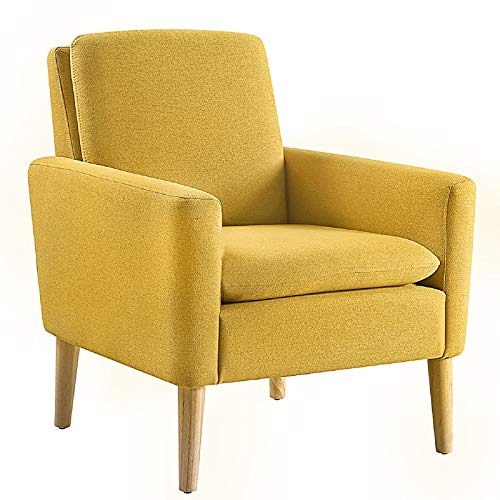
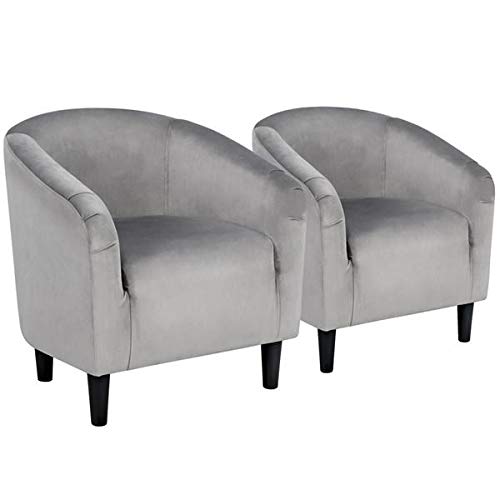
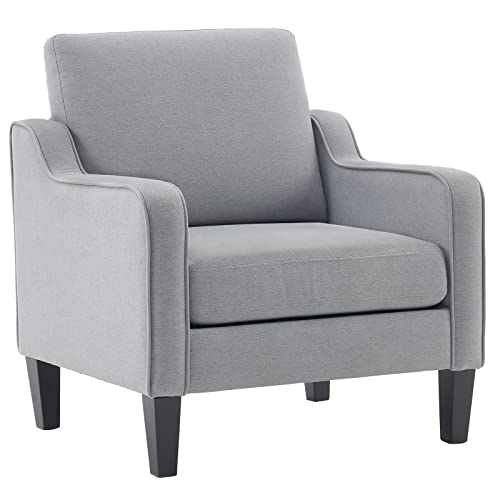
Mixing and matching furniture styles is one of the most effective ways to create a home that feels curated, personal, and visually interesting. While it might seem tricky to combine different aesthetics without making a room feel chaotic, the secret lies in balancing contrast with cohesion. Whether you're blending vintage with modern or rustic with glam, this guide will help you master the art of stylish mixing.
1. Start with a Unifying Element
Establish a Common Thread:
To create harmony, identify at least one consistent design element that ties your pieces together.
Ideas to unify a space:
- Color palette – Stick to 2–3 main hues across styles.
- Material – Use a repeated texture like wood, brass, or velvet.
- Shape – Rounded edges, clean lines, or geometric angles can provide visual rhythm.
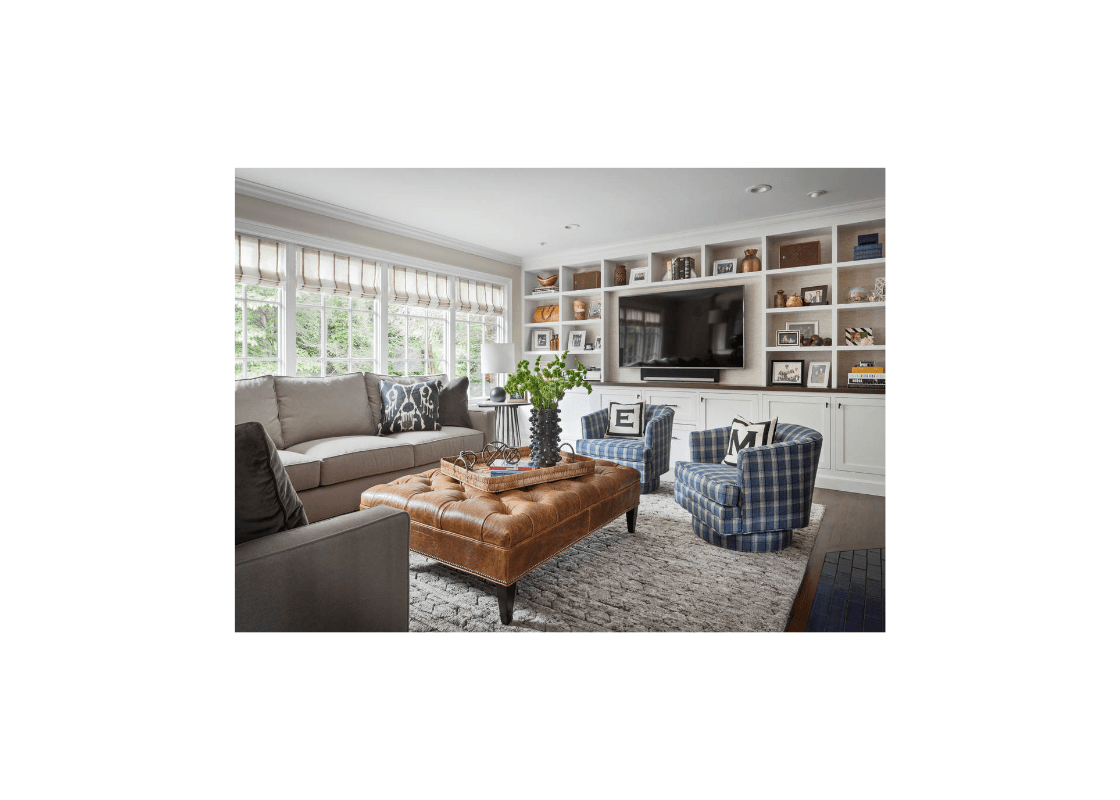
Example: Pair a mid-century modern chair with a rustic wood coffee table—tie them together with a throw pillow or rug in a similar tone or texture.
2. Anchor with a Dominant Style
Instead of going full eclectic, choose a primary design style to lead the room. This keeps the look intentional and helps guide your other decisions.
Ratio rule:
70% dominant style + 30% accent styles
Example Combinations:
- Modern + Vintage: Clean lines + ornate antique accents
- Scandinavian + Boho: Minimal forms + layered textures
- Industrial + Traditional: Metal and leather + tufted upholstery
3. Mix Shapes and Silhouettes
Avoid having all furniture with the same shape or scale, which can feel flat. Combining different silhouettes adds dimension and interest.
Try This:
- Pair a sleek, linear sofa with a round coffee table.
- Mix tall and low furniture pieces to add visual movement.
Pro Tip: If mixing ornate and minimalist styles, balance ornate details with simpler lines to avoid overwhelming the space.
4. Use Color as a Bridge
Color is your best friend when merging styles. Use it to bridge the gap between two very different pieces.
Ideas:
- Reupholster a traditional chair in a modern, bold fabric.
- Add matching cushions or throws to contrasting sofas.
- Choose art or accessories that pull from each furniture piece’s color palette.
5. Balance Old and New
Don’t shy away from contrast—it’s what makes mixed styles so visually appealing.
Tips:
- Pair a distressed antique cabinet with a modern abstract painting.
- Use vintage end tables next to a contemporary bed.
- Combine a new modular sofa with retro lighting.
This approach adds character and a lived-in feel without looking dated or disjointed.
6. Layer Textures and Materials
Blending different finishes—metal, wood, glass, rattan, leather—creates richness and variety.
Try this:
- Combine a leather couch with a velvet armchair and a marble-top table.
- Layer a jute rug under a polished coffee table.
- Mix matte and glossy finishes for visual interest.
Balance Tip: Use repetition—e.g., metal accents in both lighting and furniture legs—to maintain cohesion.
7. Keep Proportions in Check
While mixing styles, be sure the furniture pieces are proportionally scaled to one another and to the room.
Avoid:
- A bulky armchair next to a delicate side table.
- A large sectional in a room filled with slim, delicate furniture.
Create visual harmony by balancing heavy with light, tall with low, and soft with structured forms.
8. Use Accessories to Tie it Together
Decorative pieces can serve as the glue that makes your mixed styles feel intentional.
Use:
- Pillows, rugs, and curtains to reinforce your color scheme.
- Art and wall décor to echo motifs or patterns.
- Lighting to introduce a common material or finish.
Accessories are also easy to swap out if you want to change up your style in the future.
9. Trust Your Eye and Have Fun
The goal isn’t perfection—it’s personality. If a piece speaks to you, find a way to make it work.
Tip:
- Step back and look at the whole room. Does it feel balanced?
- If one piece stands out awkwardly, find a way to connect it through color, texture, or accessories.
Remember: The most inviting homes reflect the people who live in them.
Final Thoughts
Mixing furniture styles is about creating balance, telling a story, and showcasing your unique taste. With thoughtful choices and a few unifying elements, you can confidently blend old with new, classic with modern, and minimalist with maximalist—transforming your space into a harmonious expression of you.